
How does Cash App Tax Refund 2026 work for IRS deposits
Receiving your Tax Refund through Cash App in 2026 could be a practical alternative for those who already use the app daily and prefer to track their money via their mobile phone.
Instead of waiting for a physical check or handling everything through a traditional bank, taxpayers can use direct deposit information to receive funds sent through the Income Tax refund process.
However, this process needs to be done carefully. Cash App Tax Refund is not a loan, it’s not an approved credit limit, it’s not a credit card, and it doesn’t guarantee early access to the money.
How does Cash App receive IRS deposits?
Cash App allows you to receive payments into your app balance via direct deposit details. The platform itself states that, with the Cash App Card, users can deposit paychecks, tax returns, and other amounts into their Cash balance using their account number and routing number.
In practice, Cash App acts as the payment destination. The IRS processes the tax return; if there is a refund and the data is correct, the amount can be sent to the indicated account. After that, the money appears in the balance according to the platform’s rules.
It’s important to remember that Cash App defines itself as a financial services platform, not a bank. The company states that it works with partner banks to provide banking services and that the Cash App Card is linked to partner institutions.
Or what to check before using Cash App no refund
Before filing your tax return, check if your account is ready to receive direct deposits. This step reduces the risk of delays, rejection, or warnings from the IRS.
- Active Cash App Card: the platform page indicates that tax return deposits to the balance use the account number and routing number when the user has a Cash App Card.
- Updated data in the app: use the numbers displayed within your account, not old screenshots or information copied from third parties.
- Name consistent with the declaration: the Income Tax warns that the refund should only be deposited into an account in the name of the taxpayer, their spouse, or both in a joint account.
- Correct account number: do not confuse account number with card number. They are different pieces of information.
- Routing number checked: one incorrect digit may cause the deposit to be rejected or generate subsequent communication from the IRS.
- Consistent tax filing: errors in income, dependents, credits, or documents can delay payment, even when the account is correct.
This review seems simple, but it avoids costly problems. In finance, accuracy is worth more than speed.
Cash App Tax Refund is different from Chime Taxes
Cash App and Chime appear together in many searches because both can be used in the context of tax returns, digital accounts, and direct deposits. However, they are not the same platform. Cash App has balance management features.
In Chime, the company states that it allows users to file federal and state tax returns for free through the app and receive federal refunds up to 5 days earlier when there is a direct deposit, depending on the IRS submission date.
In the Cash App, the focus of this article is receiving money into your Cash Balance using direct deposit details. The decision between the two depends on the app you already use, your limits, ease of transactions, notifications, and trust in the account.
Advantages and precautions of receiving payments through Cash App.
Receiving your IRS refund in a digital account can simplify your routine, especially for those who already pay expenses, transfer money, and track their balance via mobile phone. However, users still need to understand the limits, costs, and security requirements.
- Tracking via the app: notifications and history help you see when the money is received and how it will be used.
- Less reliance on checks: direct deposit tends to be more convenient than waiting for physical delivery.
- Quick transactions: once the amount appears in the balance, the user can send, spend, withdraw, or transfer according to the app’s rules.
- Limit per direct deposit: Cash App terms indicate a maximum limit of US$25,000 per direct deposit transaction in Cash App Balance.
- Bank transfer: Standard transfers to a linked account typically arrive within 3 business days; instant options may have a fee displayed in the user experience.
- Risk of fraud: any message promising to “unlock a refund” for a fee should be viewed with suspicion.
The app makes access easier, but it doesn’t eliminate financial responsibility. The refund should be budgeted for carefully.
What if the bank details are entered incorrectly?
An error in the routing number or account number can cause serious delays. The Income Tax Department informs that it does not assume responsibility for errors made by the taxpayer or preparer in entering this data and recommends verifying the numbers with the financial institution before signing and submitting the tax return.
If the number fails validation, the IRS may issue a warning with more information. If the deposit is sent but the institution rejects it and returns the funds, the agency may also notify the taxpayer about the next step.
Therefore, don’t treat filling out the form as a minor detail. Anyone using Cash App, Chime taxes direct deposit, or any digital account needs to check the information before submitting. A 2-minute review can prevent weeks of waiting.
Step-by-step guide to setting up Cash App Tax Refund 2026
The safest way is to start with the official Cash App application and then use the correct data in the tax software or with the preparer. Cash App states that it is possible to view direct deposit details in the Money tab of the app.
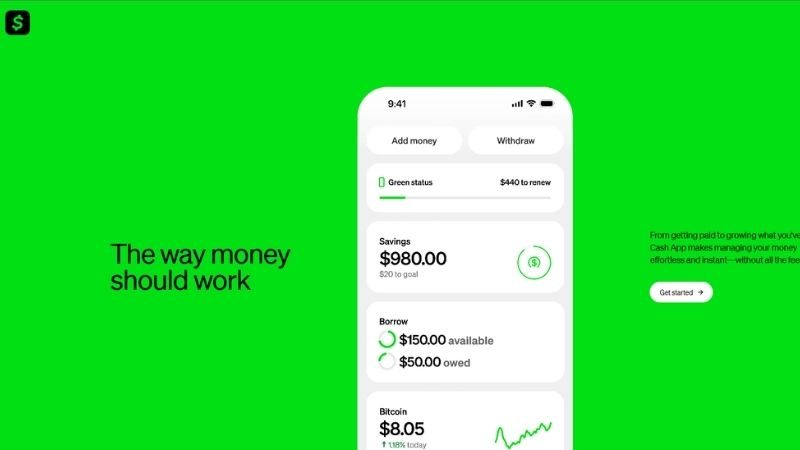
- Open the Cash App: cash.app
- Tap the Money tab: this area contains your balance, bank features, and transaction options.
- Look for Direct Deposit: access the section where the direct deposit details appear.
- Copy account number and routing number: use the copy function when available to avoid manual typing errors.
- Start your tax return: use reliable software, a qualified preparer, or your chosen tax service.
- Choose direct deposit as your method of receiving payment: the IRS advises selecting this method and entering your bank details on your tax return.
- Review the name, SSN or ITIN, filing status, and amount: tax inconsistencies can delay the refund, even with the correct account information.
- Submit your tax return and track its processing: use the appropriate tax channels and Cash App alerts to know when the money arrives.
This process should be done without rushing. The most important step is not just submitting the declaration, but ensuring that the financial information is correct.
Refunds should not be treated as available funds before the deposit
Many people rely on refunds to pay credit card bills, rent, installments, financing, or loans. This strategy can work when the money is already confirmed, but it’s risky when the amount is still pending approval from the IRS.
The Bureau of the Fiscal Service advises that direct deposit combined with e-file is a safe, reliable, and convenient way to receive federal refunds, but this does not make the advance payment an immediate guarantee.
If there is a delay, avoid resorting to expensive credit without comparing interest rates, total effective cost, fees, and impact on your credit score. An expected refund should not become an excuse to take on debt with a bad contract.
How to use your money more strategically after it falls
When the Tax Refund appears in the Cash App, the best decision is to prioritize. Before spending, check if there is any high-interest debt, an outstanding essential bill, a need for savings, or an expense that could prevent a bigger problem in the coming months.
It’s also worth deciding whether the money will remain in the Cash balance or be sent to another account. The Cash App allows you to transfer funds to a linked account, with a standard timeframe or an instant option subject to terms and possible fees.
Ultimately, Cash App Tax Refund 2026 can be a practical solution for receiving your IRS tax refund, provided the user protects their data, verifies bank account numbers, and doesn’t confuse convenience with guaranteed credit. Use the app as a control tool, not as an impulse to spend prematurely.
Deixe um comentário