
Explore the Latest PenFed Mortgage Rates for Smarter Home Financing
When it comes to financing a home, finding the right mortgage rate can make all the difference in your long-term financial planning. PenFed Credit Union, one of the most trusted lenders in the United States, offers competitive mortgage rates tailored to meet various borrower needs.
Mortgage rates are influenced by several factors, including your credit score, loan term, and the type of mortgage you choose. PenFed provides a range of mortgage products, from fixed-rate loans to adjustable-rate mortgages (ARMs), allowing borrowers to select the option that best suits their budget and timeline.
Before committing to a mortgage, it’s crucial to evaluate the total cost of borrowing, including interest rates, fees, and repayment terms. PenFed’s mortgage offerings are designed to provide transparency, but approval and specific terms depend on the lender’s analysis and your ability to meet their criteria.
How the Loan Works
PenFed Credit Union offers a variety of mortgage products designed to cater to different financial needs and goals. Their fixed-rate mortgages provide stability with consistent monthly payments over the life of the loan, making budgeting easier for homeowners. On the other hand, adjustable-rate mortgages (ARMs) may start with lower interest rates, which can adjust periodically based on market conditions.
PenFed also offers specialized mortgage programs, such as VA loans for veterans and active-duty military personnel, which often come with competitive rates and lower down payment requirements. Additionally, they provide options for refinancing existing mortgages, which can help borrowers reduce their interest rates or shorten their loan terms.
How to Request the Loan
Applying for a PenFed mortgage is a straightforward process, but it requires careful preparation to ensure a smooth experience. Before you begin, gather all necessary documents, including proof of income, employment history, and credit information. Being organized can speed up the application process and increase your chances of approval.
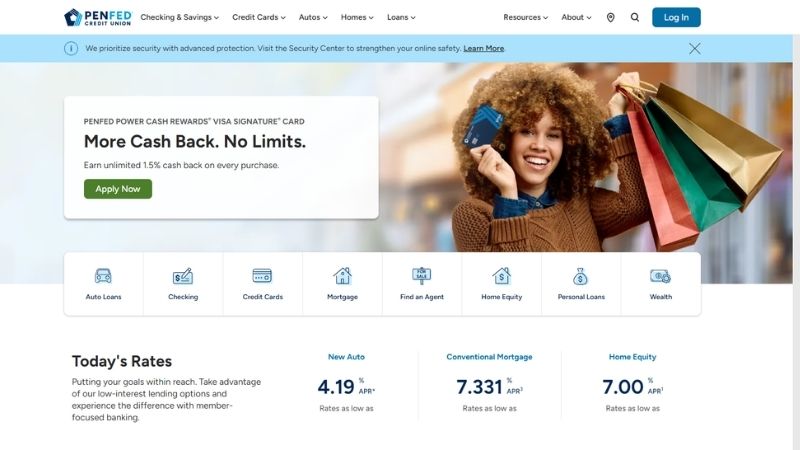
It’s also important to assess your financial readiness before applying. Use PenFed’s online mortgage calculators to estimate your monthly payments and determine how the loan fits into your budget. This preliminary step can help you avoid overextending yourself financially and ensure that you’re comfortable with the repayment terms.
- Visit PenFed’s official website: “penfed.org” Start by navigating to PenFed’s mortgage section. Here, you’ll find detailed information about their mortgage products, rates, and eligibility requirements. Take the time to review these details to ensure you understand the options available.
- Use their mortgage calculators: PenFed provides tools to help you estimate your monthly payments based on different loan amounts, interest rates, and terms. These calculators can give you a clearer picture of what you can afford and help you make an informed decision.
- Complete the online application: Once you’re ready, fill out PenFed’s online mortgage application form. You’ll need to provide personal and financial information, including your Social Security number, income details, and employment history. Ensure that all information is accurate to avoid delays.
- Submit required documents: After completing the application, you’ll need to upload supporting documents, such as pay stubs, tax returns, and bank statements. PenFed may also request additional information depending on your financial profile.
- Wait for pre-approval: Once your application is submitted, PenFed will review your information and provide a pre-approval decision. This step can take several days, depending on the complexity of your application. Pre-approval gives you a clearer idea of the loan amount and terms you qualify for.
- Work with a loan officer: PenFed assigns a loan officer to guide you through the remaining steps. They’ll help you finalize the loan details, answer any questions, and ensure all documentation is complete.
- Close the loan: The final step involves signing the loan agreement and completing the closing process. Be sure to review all terms carefully before signing to ensure there are no surprises.
After completing these steps, you’ll be ready to move forward with your PenFed mortgage. Remember that while PenFed strives to make the process seamless, approval depends on your financial profile and their lending criteria. Taking the time to prepare and understand each step can increase your chances of a successful application.
Eligibility and Credit Analysis
PenFed Credit Union evaluates several factors when determining your eligibility for a mortgage. Your credit score plays a significant role, as it reflects your history of managing debt and making timely payments. While PenFed does not disclose specific minimum credit score requirements, a higher score generally improves your chances of approval and secures better interest rates.
Income stability and debt-to-income (DTI) ratio are also critical components of the credit analysis process. PenFed will assess your ability to repay the loan by reviewing your employment history and monthly income. Additionally, they’ll consider your DTI ratio, which compares your monthly debt obligations to your gross income.
Other factors PenFed may consider include your savings, existing assets, and relationship with the credit union. Borrowers with a history of responsible financial behavior and a strong connection to PenFed may receive more favorable terms.
Interest, Fees, and Total Cost
Understanding the true cost of a PenFed mortgage involves more than just looking at the interest rate. While the rate determines your monthly payment, additional fees and charges can significantly impact the total amount you’ll repay over the life of the loan. Being aware of these costs can help you make a more informed decision and avoid unexpected financial burdens.
PenFed provides transparent information about their mortgage fees, but it’s essential to review the loan estimate carefully. This document outlines all estimated costs associated with the mortgage, including origination fees, closing costs, and any prepaid expenses. Comparing these details across different offers can help you identify the most cost-effective option.
- Interest rate: The interest rate is the percentage of the loan amount you’ll pay annually for borrowing. Lower rates reduce your monthly payments and the total cost of the loan. PenFed offers competitive rates, but the exact rate you receive depends on your creditworthiness and loan terms.
- Annual Percentage Rate (APR): The APR represents the total cost of borrowing, including interest and fees, expressed as an annual percentage. Comparing APRs from different lenders can help you identify the most affordable mortgage option.
- Origination fees: These fees cover the cost of processing your mortgage application and typically range from 0.5% to 1% of the loan amount. Be sure to factor this into your overall cost when comparing offers.
- Closing costs: Closing costs include expenses such as appraisal fees, title insurance, and attorney fees. These can add up to 2% to 5% of the loan amount, so it’s important to budget for them in advance.
- Prepaid expenses: Prepaid expenses are costs paid upfront, such as property taxes and homeowners insurance. These are often required at closing and can increase your initial out-of-pocket expenses.
- Mortgage insurance: If your down payment is less than 20%, you may be required to pay mortgage insurance. This protects the lender in case of default and adds to your monthly payment.
- Late payment fees: Missing a mortgage payment can result in late fees and damage your credit score. Understanding these penalties can help you avoid unnecessary costs and protect your financial health.
By examining these factors, you can gain a clearer understanding of the total cost of your PenFed mortgage. Comparing offers based on both interest rates and fees ensures that you choose the most affordable option for your financial situation.
Repayment and Practical Operation
Repaying a PenFed mortgage involves making consistent monthly payments that include both principal and interest. Your payment amount depends on the loan amount, interest rate, and repayment term. PenFed offers flexible repayment terms, typically ranging from 15 to 30 years, allowing borrowers to choose a timeline that fits their financial goals.
PenFed provides multiple payment options, including online payments, automatic withdrawals, and mailing checks. Setting up automatic payments can ensure that you never miss a due date, helping you maintain a good credit history and avoid late fees.
Refinancing is another option available to PenFed mortgage holders. If interest rates drop or your financial situation improves, refinancing can lower your monthly payments or shorten your loan term. However, refinancing typically involves closing costs, so it’s important to weigh the potential savings against these expenses.
How to Evaluate the Loan Before Accepting It
Before accepting a PenFed mortgage, it’s essential to evaluate whether it’s the right fit for your financial situation. Start by comparing the total cost of borrowing, including interest and fees, across different lenders. This can help you identify the most affordable option and avoid overpaying.
It’s also crucial to assess how the monthly payment fits into your budget. Use PenFed’s mortgage calculators to estimate your payments and ensure they’re manageable alongside other financial obligations. Taking on a mortgage that stretches your budget too thin can lead to financial stress and potential default.
- Compare total repayment, not just the monthly payment: A lower monthly payment may seem attractive, but a longer repayment term can increase the total amount you pay in interest. Use PenFed’s tools to compare the total cost of different loan options.
- Assess affordability: Ensure that your monthly mortgage payment leaves you with enough income to cover other essential expenses and savings goals. A good rule of thumb is to keep housing costs below 30% of your gross income.
- Understand repayment term implications: While a longer repayment term reduces your monthly payment, it also means paying interest for a longer period. Consider how the term affects your long-term financial goals.
- Review optional versus mandatory costs: Some fees, such as mortgage insurance, may be optional depending on your down payment amount. Understanding these costs can help you minimize your expenses.
- Check early repayment conditions: PenFed allows early repayment without penalties, but it’s important to confirm this before accepting the loan. Early repayment can save you money on interest.
- Verify lender credibility: PenFed is a reputable lender, but it’s always wise to confirm that you’re applying through their official channels to avoid scams.
- Read contractual terms carefully: Before signing, review the loan agreement to ensure you understand all terms and conditions. Pay attention to details like interest rate adjustments and prepayment penalties.
By considering these factors, you can make a well-informed decision about whether a PenFed mortgage is the right choice for you. Taking the time to evaluate your options can help you secure a loan that aligns with your financial goals and protects your long-term stability.
Risks, Late Payment, and Responsible Borrowing
Taking on a mortgage is a significant financial commitment, and it’s essential to understand the risks involved. Late or missed payments can result in penalties, damage your credit score, and even lead to foreclosure in severe cases. To avoid these consequences, ensure that your mortgage payments are a manageable portion of your monthly budget.
Responsible borrowing also involves planning for unexpected financial challenges. Building an emergency fund can provide a safety net if you lose your job or face unexpected expenses. Additionally, staying informed about your mortgage terms and repayment options can help you navigate changes in your financial situation.
PenFed offers resources to help borrowers manage their mortgages effectively, including financial counseling and hardship programs. If you’re struggling to make payments, reaching out to PenFed early can help you explore potential solutions and avoid negative consequences.
What to Do If Your Application Is Denied
If your PenFed mortgage application is denied, don’t panic. The first step is to review the lender’s explanation for the decision. Common reasons for denial include a low credit score, insufficient income, or a high debt-to-income ratio. Understanding the specific issue can help you address it effectively.
Next, consider improving your financial profile before reapplying. This may involve paying down existing debt, increasing your income, or improving your credit score. You can also explore alternative mortgage options, such as FHA or VA loans, which may have more lenient eligibility requirements. Remember that denial doesn’t mean you’ll never qualify—taking proactive steps can improve your chances in the future.
Lastly, seek guidance from a financial advisor or housing counselor. These professionals can help you develop a plan to strengthen your financial standing and navigate the mortgage process more successfully.
Deixe um comentário