
How to get a personal loan with LendingClub
Finding affordable financing can make a significant difference when managing credit card debt, covering major expenses, or reorganizing monthly payments. However, obtaining a personal loan involves more than completing an online application. Interest rates, credit requirements, origination fees, and repayment conditions all influence the actual cost of borrowing.
LendingClub is a U.S. digital marketplace bank that offers personal loans with fixed interest rates and structured repayment plans. Its online platform allows eligible consumers to explore potential financing options, compare monthly installments, and complete much of the lending process without visiting a physical branch.
For borrowers considering LendingClub in 2026, understanding the approval process and evaluating the complete financial agreement can help prevent unnecessary expenses. This guide explains what to expect, how to prepare an application, and which borrowing conditions deserve the closest attention.
How LendingClub personal loans work
LendingClub provides unsecured personal loans through LendingClub Bank, N.A., a federally regulated financial institution. Unlike secured financing arrangements, these loans generally do not require borrowers to pledge a vehicle, home, or other personal property as collateral.
The lender advertises personal loan amounts ranging from $1,000 to $60,000, with repayment terms extending from 24 to 84 months for eligible offers. Available terms depend on the lending product, state restrictions, and individual financial qualifications. Payments follow a fixed schedule, making the total repayment obligation easier to anticipate.
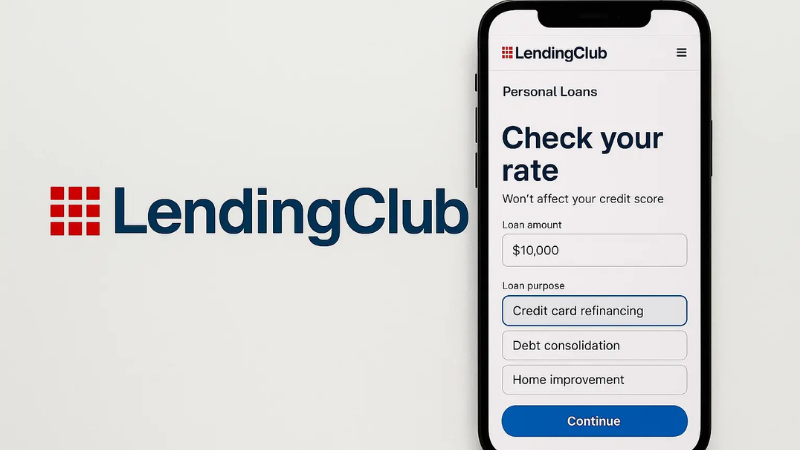
Another important feature is the ability to check personalized borrowing options through a soft credit inquiry. This preliminary evaluation does not affect the applicant’s credit score. Final approval, however, depends on a more comprehensive assessment of creditworthiness, income, and other relevant financial information.
LendingClub credit requirements and eligibility factors
LendingClub evaluates applications using several financial indicators rather than guaranteeing approval based on a single credit score. Borrowers should review their income, existing debts, and monthly budget before requesting additional credit.
Important factors in the lender’s assessment include:
- Credit score and payment history: Previous borrowing behavior, outstanding balances, and payment consistency influence lending decisions. Strong credit management may improve the availability of competitive interest rates, but it does not guarantee the lowest advertised APR.
- Income verification: Applicants may need to provide employment details, income records, or supporting financial documents. Lenders use this information to determine whether the proposed installment is sustainable.
- Debt-to-income ratio: Existing loan payments, credit card obligations, and recurring financial commitments help measure repayment capacity. A lower debt burden can provide greater flexibility when considering new financing.
- Identity and residency requirements: Applicants must satisfy applicable age, identity, and U.S. residency requirements. LendingClub may request a government-issued identification document or additional verification.
- Requested borrowing amount: The lender evaluates the proposed principal alongside the borrower’s credit history, income, and overall financial circumstances.
Preparing reliable documentation and reviewing credit reports before applying can help applicants identify potential issues. However, satisfying general requirements does not eliminate the possibility of denial.
Interest rates and maximum personal loan amounts
One common question concerns the lending club max loan amount. LendingClub currently advertises personal loans of up to $60,000, although the actual approved amount depends on eligibility, income, creditworthiness, and product availability.
According to LendingClub’s published terms effective April 27, 2026, personal loan APRs ranged from 5.96% to 35.99%. Its broader website has also displayed starting rates of 6.53% APR, illustrating why borrowers should verify current product-specific disclosures instead of relying on a single promotional figure.
The annual percentage rate reflects the annualized borrowing cost, incorporating interest and certain financing fees. A longer repayment period may reduce the monthly installment while increasing total interest expenses. Comparing the complete repayment amount is therefore essential before choosing an offer.
Origination fees and other financing costs
A competitive advertised rate does not necessarily represent the lowest overall borrowing expense. LendingClub may include an origination or processing fee that reduces the amount deposited into the borrower’s account.
Several conditions deserve close attention:
- Origination fees: LendingClub advertises charges ranging from 0% to 8% of the loan amount. For example, a $20,000 loan carrying a 5% origination fee would generate $19,000 in net proceeds while leaving the borrower responsible for the full $20,000 principal and applicable interest.
- Total interest expenses: Longer repayment schedules generally increase the amount of interest accumulated, even when the monthly payment appears more affordable.
- Late payment consequences: Missing installments may lead to contractual fees, negative credit reporting, and additional collection activity. Borrowers should verify any applicable late-payment charges in their agreements.
- Early loan repayment: LendingClub personal loans do not impose prepayment penalties, allowing borrowers to repay their outstanding balances ahead of schedule without a separate early payoff charge.
- Credit inquiry considerations: Checking an initial rate involves a soft inquiry, while an issued loan generates a hard credit inquiry that may affect the borrower’s score.
Reviewing these costs helps borrowers distinguish a manageable financing option from one that could place unnecessary pressure on their household budget.
LendingClub business loans and business checking accounts
Consumers researching lending club business or lending club business loans should distinguish personal borrowing from commercial financing. LendingClub’s website references business financing options, but product availability, application channels, and eligibility requirements can differ from those of standard personal loans.
A lending club business line of credit would serve a different purpose from an installment loan, typically providing revolving access to funds for qualifying business expenses. Consumers seeking this arrangement should confirm whether a current business credit line is available rather than assuming that every listed financing product operates as revolving credit.
Meanwhile, lendingclub business checking refers to a separate banking service. LendingClub’s Tailored Checking offering includes business banking capabilities such as account transfers, mobile check deposits, and invoicing tools. A business checking account does not automatically establish loan eligibility or create an approved commercial credit limit.
How to apply for a LendingClub personal loan online
LendingClub allows eligible borrowers to explore potential offers online before deciding whether to proceed with a formal application. Understanding each stage can help applicants compare financing costs and avoid accepting an unsuitable repayment commitment.
Follow these steps to begin the application process:
- Access the official lending platform. Visit the LendingClub Personal Loans website and select the option to check your rate. Confirm that the website is legitimate before entering confidential financial information.
- Determine the amount you need. Calculate the funds required for your intended purpose, whether debt consolidation, an unexpected expense, or another permitted use. Avoid requesting additional money simply because a larger amount may be available.
- Provide accurate financial details. Complete the online form with the requested identification, employment, income, and borrowing information. Inaccurate details can delay verification or affect lending decisions.
- Review personalized offers. The preliminary rate check uses a soft credit inquiry. Compare available loan amounts, APRs, repayment periods, and estimated monthly installments.
- Calculate total financing costs. Examine any origination charges, net loan proceeds, and the total amount repayable. Compare different terms to understand how a smaller monthly installment may affect long-term interest expenses.
- Select an appropriate loan offer. Choose the financing arrangement that best matches your repayment capacity. Avoid selecting a larger loan solely because the lender makes it available.
- Complete the formal verification process. Submit requested supporting documents and review final terms. If the loan is issued, LendingClub reports a hard credit inquiry, which may influence your credit score.
- Accept the agreement and track funding. After final approval, review and accept the loan documentation. LendingClub may send funds directly to your account or eligible creditors, depending on the financing option selected.
LendingClub advertises funding in as little as 24 hours after approval for funding. However, actual availability depends on verification, banking schedules, and the receiving institution’s processing policies. Applicants should not assume every approved loan will arrive within that timeframe.
Can LendingClub help with credit card debt consolidation?
Debt consolidation is an important consideration for borrowers carrying several high-interest credit card balances. Replacing multiple revolving obligations with a fixed-rate installment loan may simplify monthly payments and potentially reduce financing costs.
LendingClub offers debt repayment products that may include direct creditor payments and qualifying APR discounts. However, a lower monthly installment does not necessarily indicate savings. Origination charges, loan duration, and the new APR must be compared against the costs of maintaining existing debts.
Financial discipline remains essential after consolidation. Consumers who continue accumulating balances on previously paid-off credit cards could end up managing both a personal loan and renewed revolving debt, increasing their overall financial burden.
Is a LendingClub personal loan worth considering?
LendingClub may appeal to consumers seeking fixed installment payments, online application convenience, and the ability to compare personalized financing options without an initial credit score impact. Its loan amount range and available repayment periods provide flexibility for different borrowing needs.
Potential disadvantages include origination fees, high APRs for certain credit profiles, and the possibility that longer repayment terms increase overall interest expenses. Borrowers should also distinguish personal loans from business financing and deposit accounts, which have different purposes and eligibility requirements.
Before accepting an offer, compare personalized terms from multiple lenders, review the complete loan agreement, and calculate how the proposed payment affects essential expenses, emergency savings, and existing debt obligations.
A responsible financing decision should prioritize affordable installments, transparent borrowing costs, and a realistic repayment strategy. The most suitable personal loan is not necessarily the one offering the largest amount or fastest funding, but the one that supports financial stability throughout the repayment period.
Deixe um comentário