
How to track your order from UPS, FedEx, USPS, or Amazon
Waiting for an important package can be frustrating, especially when delivery updates are unclear. Whether you’re expecting an online purchase, business supplies, or an international shipment, knowing where your order is can help you avoid missed deliveries and unexpected expenses.
Fortunately, major shipping companies provide online tracking services that show shipment progress, estimated delivery dates, and possible delays.
Choose an option below ⬇️
You will remain on the site.
UPS, FedEx, USPS, and Amazon each offer tracking tools, although their notifications and delivery management features work differently.
Understanding these differences can save time and make package management easier. This guide explains how to track shipments, interpret delivery statuses, and handle missing packages while protecting your personal information and shipping expenses.
How package tracking works in 2026
Package tracking begins when a shipping label is created or a carrier receives shipment information. As the parcel moves between facilities, tracking scans provide updates about its location and delivery progress.
However, tracking information is not always updated continuously. A package may travel between distribution centers without a new scan, particularly during long-distance transportation or international shipping. Consequently, several hours without an update do not necessarily indicate that a shipment is lost.
Most carriers display an estimated delivery date, but this estimate can change because of weather, customs inspections, transportation disruptions, or unexpected demand. For that reason, checking the official carrier website generally provides more dependable information than relying on unfamiliar third-party tracking messages.
Official Package Tracking Tools
Choose your carrier to check the latest available shipment information.
UPS Tracking | FedEx Tracking | USPS Tracking | Amazon Orders
These links open official company websites. This page does not access or display your shipment information.
How to track UPS, FedEx, USPS and Amazon deliveries
Each major delivery service offers its own tracking system. Therefore, identifying the company handling your shipment is the first step toward finding accurate information.
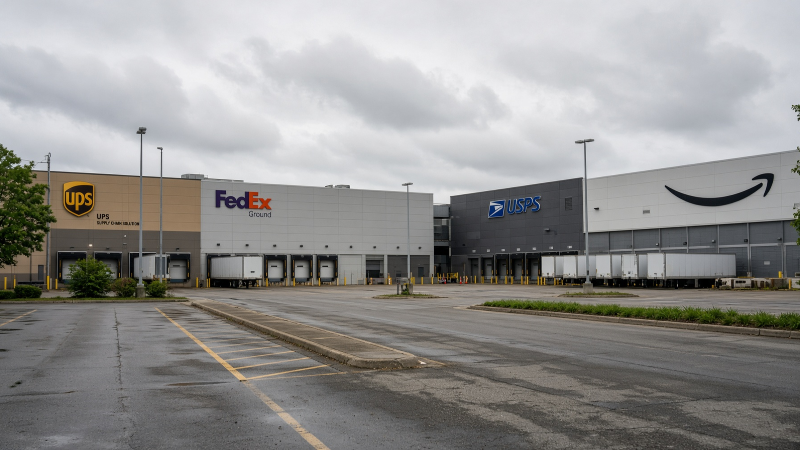
Here’s how the main services work:
- UPS: Enter your tracking number on the UPS website to review package scans, estimated delivery information, and shipment exceptions. UPS My Choice may also provide delivery alerts and eligible delivery management options.
- FedEx: Use the FedEx tracking page to check shipment progress, estimated delivery windows, and available proof-of-delivery details. FedEx Delivery Manager offers additional delivery notifications and management features for eligible packages.
- USPS: The United States Postal Service provides tracking for most eligible domestic packages. Its tracking history can show acceptance, processing, transportation, attempted delivery, and delivery confirmation.
- Amazon: Open Your Orders, select the relevant purchase, and choose Track package. Amazon may display updates from its own delivery network or an outside carrier. Multiple items in one order can have separate tracking details.
While these tools are free to access, some delivery changes or premium shipping services may involve additional charges. Always review the carrier’s conditions before requesting a paid service.
Where can you find your package tracking number?
A tracking number is usually included in the shipping confirmation email, order details, or receipt provided by the sender. For online shopping, retailers often add this information once the package has been prepared for collection or handed to a carrier.
However, an order number is not always the same as a shipping tracking number. Amazon customers can often track purchases directly through their accounts, while UPS, FedEx, and USPS typically require a carrier tracking number or another supported shipment reference.
If tracking information is missing, contact the seller or shipper first. In some cases, the shipping label has been created but the carrier has not received or scanned the package. As a result, tracking may not display movement immediately.
What do common shipping and delivery statuses mean?
Understanding tracking notifications can help you decide whether to continue monitoring a shipment or contact customer support. Although terminology varies by carrier, several updates are commonly used across delivery networks.
- Label Created: The sender has prepared the shipping information, but the carrier may not have possession of the parcel yet.
- In Transit: The package is moving through the transportation network. Updates may appear when it reaches another sorting facility.
- Out for Delivery: The shipment is generally with a local delivery driver and is scheduled for delivery. However, unforeseen circumstances can still delay arrival.
- Delivery Exception: A problem, such as severe weather, an address issue, or an operational disruption, may affect the original delivery estimate.
- Delivered: The carrier has recorded completion of the delivery. If you cannot locate the package, review available delivery details and check common drop-off locations.
- Available for Pickup: The parcel may be waiting at an authorized location. Review pickup requirements, identification rules, and any collection deadlines.
Importantly, delivery estimates are not always guaranteed. If the shipment involves valuable merchandise, review available insurance coverage and the applicable claim procedures.
Package Delayed or Marked as Delivered?
Start by checking the latest official tracking update and any delivery photo or pickup notice.
If the package remains missing, contact the seller or carrier through its official support channel. Keep your order confirmation and tracking number available.
International FedEx shipping and special package handling
International deliveries often involve additional tracking events because packages may pass through customs authorities, regional hubs, and partner transportation networks. Consequently, a shipment can remain under customs review without indicating that it has been permanently delayed.
Customers searching for fedex international customer service should use the official FedEx support website to identify the appropriate assistance channel. International shipping questions may involve customs documentation, import duties, declared value, and shipment restrictions. Similarly, consumers looking for fedex boxes near me can search FedEx locations for available packaging supplies, although inventory varies.
Specialized shipments deserve additional attention. For example, fedex dry ice shipping involves packaging and labeling requirements because dry ice releases carbon dioxide gas. Such shipments must use appropriate ventilated packaging and follow applicable transportation rules. These requirements can affect preparation costs, available shipping services, and delivery arrangements.
How to track your package step by step
Tracking a shipment is usually straightforward once you identify the delivery company and locate the correct tracking information. Following a consistent process can help you avoid fraudulent tracking websites and unnecessary support requests.
- Identify the delivery company. Review your order confirmation to determine whether UPS, FedEx, USPS, Amazon, or another carrier is responsible.
- Locate your tracking number. Check your shipping email, online order account, printed receipt, or information provided by the sender.
- Open the official tracking website. Visit UPS, FedEx, USPS, or Amazon Your Orders.
- Enter or select your shipment. Type the tracking number into the official carrier tool. For Amazon purchases, select the relevant order and choose Track package.
- Review the latest scan. Check the current delivery status, estimated arrival date, and any available exception notices.
- Enable delivery notifications. Where supported, sign up for email or mobile alerts so you can monitor changes without repeatedly checking the tracking page.
- Check available delivery options. Depending on the carrier and shipment, you may be able to request a pickup, add delivery instructions, or change certain arrangements.
- Contact official support if necessary. If your shipment is delayed, damaged, or missing, keep your tracking history and purchase details available when requesting assistance.
For greater security, never enter payment card details or banking passwords into a tracking page reached through an unexpected text message. Instead, access the carrier’s website directly.
What should you do if your package is lost or stolen?
If a package is marked as delivered but cannot be found, first check your mailbox, porch, building reception area, or other designated delivery location. Next, review any delivery photograph and ask household members whether they accepted the parcel.
When the shipment remains missing, contact the seller or carrier according to its claim procedures. Some purchases may qualify for replacement, refund, or shipping insurance reimbursement. However, coverage depends on the retailer’s policies, carrier terms, declared value, and circumstances of the loss.
For expensive purchases, keep invoices, proof of payment, shipment receipts, and customer service correspondence. If the retailer does not resolve an eligible billing dispute, review the protections available through your credit card issuer. A chargeback is not automatic and should follow the issuer’s dispute requirements.
How to track packages safely and avoid extra costs
Reliable package tracking helps consumers and small businesses manage deliveries more efficiently. By checking official shipment updates, customers can prepare for arrivals, avoid unnecessary trips, and respond earlier when transportation problems occur.
Nevertheless, tracking tools should not be confused with shipping insurance or guaranteed delivery services. Standard tracking generally shows progress, while additional protections may depend on the selected shipping product and carrier agreement.
Before paying extra for expedited delivery, signature confirmation, declared value coverage, or package protection, compare the total shipping expense with the value and urgency of the shipment. International orders may also involve customs duties and import-related charges.
Ultimately, the safest approach is to use official UPS, FedEx, USPS, or Amazon tracking tools, keep your shipment information secure, and contact legitimate support channels when problems arise. Understanding shipping costs and delivery conditions can help protect both your purchases and your budget.
Official Sources & Transparency
Tracking instructions and shipping information were reviewed using official carrier resources:
Independent informational content. Not affiliated with UPS, FedEx, USPS, or Amazon. Tracking availability, shipping fees, delivery estimates, and carrier policies may change.
Deixe um comentário