
How to check your credit score for free using Credit Karma 2026 in the USA
Monitoring your credit score is no longer just a curiosity; it has become part of the financial planning for those living in the United States, applying for credit cards, seeking loans, comparing financing options, or wanting to better understand their own financial profile.
In this context, Credit Karma emerges as one of the best-known platforms for checking credit scores, accessing credit reports, and receiving personalized recommendations.
Credit Karma states that it offers free credit scores, reports, and insights to help users make credit decisions. The proposition is to allow individuals to view important information without paying a monthly fee, but this does not mean that every card, loan, or product displayed will be approved.
What is Credit Karma and why is it so widely used?
Credit Karma is a financial platform from Intuit focused on credit tracking, product recommendations, report monitoring, and financial organization tools.
The platform does not function as a bank that releases approved credit limits to everyone, nor as a company that guarantees credit cards without analysis.
Those searching for “download creditkarma.com” are usually looking for the official app. Ideally, you should only download from trusted sources, such as the App Store, Google Play, or the official website, avoiding fake pages that may capture your login credentials, documents, or financial data.
Key resources for tracking your financial profile.
The intelligent use of Credit Karma begins with understanding what the tool truly delivers. Instead of looking at just one number, the user should observe trends, changes in the report, and factors that influence the score.
- Credit score inquiry: the app allows you to track your credit score and understand if it has improved, decreased, or remained stable over time.
- Report monitoring: Credit Karma’s free credit monitoring helps identify relevant changes, such as new accounts, inquiries, and potential signs of fraud.
- Financial recommendations: the platform may show cards, loans, and products related to your profile, but this does not represent final approval.
- Change alerts: notifications help the user act quickly when unexpected activity occurs.
- Simulators and educational content: materials on interest rates, credit, financing, and budgeting help to better interpret the options.
- Organizing for future decisions: keeping track of your history can help those who intend to apply for rent, a credit card, a car, or a personal loan.
These resources are useful when used responsibly. The goal should not be to impulsively request credit, but rather to understand one’s own history before accepting any offer.
Does Credit Karma show the same score used by banks?
This means that the number displayed in the app may not be exactly the same as the score used by a financial institution when approving credit scores.
Even so, monitoring remains valuable. If your score drops unexpectedly, there may be a delay, increased credit limit usage, a new inquiry, or negative information in the report.
The right approach is to use Credit Karma as a barometer, not as a promise. It helps to see direction, risk, and opportunities, but the final credit decision belongs to the lender.
How to analyze credit card and card offers within the platform
Credit Karma can show you financial products, including personal cards and options for small businesses. Searches like “credit karma business credit cards” often attract users who want to separate business expenses, accumulate rewards, or build a business history.
- Compare APR and rates: an offer with an attractive benefit may have a high interest rate if the bill is not paid in full.
- Note the annual fee: rewards cards may charge an annual fee, so the benefit needs to outweigh the cost.
- Check profile requirements: some cards are geared towards excellent credit, while others accept a more limited credit history.
- Understand the impact of the application: applying for a card may trigger a hard inquiry, temporarily affecting your score.
- Analyze the actual use: a business card can be useful for a company, but it shouldn’t be used to mix personal and professional expenses without control.
- Read the issuer’s terms: Credit Karma may present options, but the contract, limits, and approval are the responsibility of the issuing institution.
This information helps avoid a common pitfall: choosing a credit card based solely on the initial bonus and ignoring interest rates, fees, due dates, and repayment capacity. Good credit is credit that fits within your budget.
Credit Karma, Cash App, and tax return.
Many people search for Credit Karma CashApp because of the past relationship between Credit Karma Tax and Cash App Taxes. In 2020, Square announced an agreement to acquire the Credit Karma Tax business, which offered a free tax filing service.
Today, Cash App introduces Cash App Taxes as a free federal and state tax return service, with submission via mobile phone or computer and authorized e-file provider status with the IRS.
Therefore, it’s important to keep the names separate. Credit Karma focuses on credit, reports, recommendations, and financial tools. Cash App Taxes is related to tax preparation. Confusing the two can lead the user to the wrong website or unofficial pages.
Step-by-step guide to using Credit Karma safely
The best way to get started is to access the official platform or download the app from recognized app stores. Google Play describes the app as a tool to check your credit score for free, monitor reports, and receive personalized insights to help build or improve your credit.
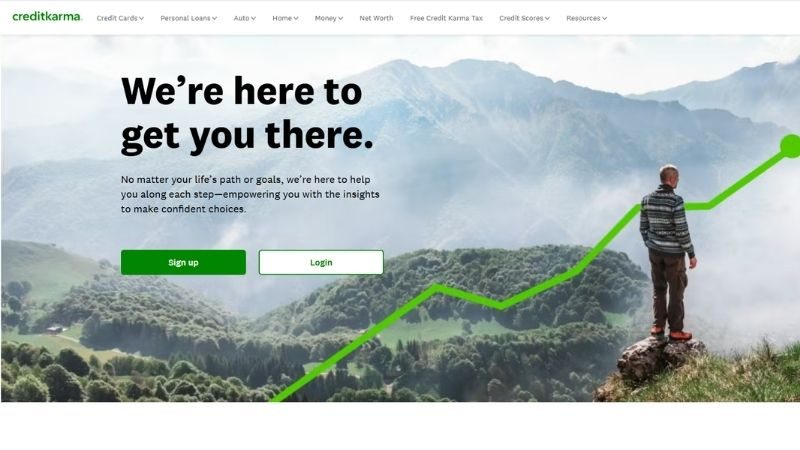
- Access the correct channel: search for Credit Karma on the official website or in app stores. Avoid clicking on strange ads with variations like “download creditkarma” written in a suspicious way.
- Create your account with real information: provide your name, address, date of birth, and other required verification details.
- Activate account security: use a strong password, authentication when available, and an up-to-date email address.
- Check your initial score: see the displayed score and note the main factors that influence the result.
- Analyze the credit report: look for unknown accounts, recent inquiries, and information you don’t recognize.
- Activate alerts: notifications help identify relevant changes without needing to access them every day.
- Compare offers carefully: before applying for a card, loan, or financing, review the interest rate, annual fee, contract, and total cost.
- Don’t rely solely on forums: searches like “credit karma reddit” may show real experiences, but they don’t replace official terms or analysis of your specific case.
With this process, the user can enjoy the platform with more protection. Monitoring credit is useful, but clicking on any offer without reading the terms can turn a free tool into a gateway to expensive debt.
Things to consider before applying for a credit card, loan, or financing
Credit Karma can make comparisons easier, but financial decisions require maturity. Before applying for a credit card, loan, or financing, check if the installment fits within your budget, even in a difficult month.
It’s also worth considering the total effective cost. A seemingly low rate may be accompanied by fees, insurance, annual fees, late payment charges, and compound interest. If there are delays, the impact may appear in the report and jeopardize future approvals.
For small businesses, extra attention is needed. When researching keys like credit karma business credit cards, entrepreneurs should separate cash flow, revenue, fixed costs, and repayment capacity. Business credit cards should not finance disorganization.
How to use Credit Karma without falling into financial traps
Credit Karma can be a powerful tool for tracking scores, understanding reports, and comparing products, as long as the user doesn’t treat recommendations as collateral. The platform helps with analysis, but it doesn’t replace budgeting, contract reading, and payment discipline.
Use free monitoring as part of your routine: check for changes, correct suspicious information, reduce excessive credit limit usage, and pay bills on time. These habits tend to have a more concrete impact than applying for multiple cards in quick succession.
Ultimately, the best strategy is simple: use Credit Karma to gain a clearer understanding of your financial profile, compare products prudently, and avoid credit that seems too easy. Well-used information protects money, improves decision-making, and reduces the risk of incurring expensive debt.
Deixe um comentário